


Aloha conference attendees!
We are thrilled to share our Ahupuaʻa XP GooseChase conference activity, where we will embark on an exciting journey through the ahupua’a system, integrating technology and gamification to enhance your learning experience. Ahupuaʻa XP focuses on the traditional Hawaiian land divisions, the ahupua’a, and the various roles within it. Choose your role as a mahi’ai (farmer), lawai’a (fisherman), or kia manu (bird catcher) and complete missions through the GooseChase app. Whether you’re snapping photos, recording videos, writing text, or using GPS, the missions are designed to get you trying new things, meeting new people, or engaging with content in fun and interactive ways. Some challenges you can tackle solo, while others will have you teaming up with fellow attendees. Let’s embark on this journey together and make unforgettable memories!
Having trouble viewing the document above? Click here to view the PDF.
Before you meet our characters, letʻs talk gamification and connecting technology with content:
Our conference activities are designed with gamification principles in mind, leveraging the GooseChase app to create an engaging and interactive experience. Gamification involves incorporating game elements into non-game contexts to motivate and enhance learning. By participating in missions and challenges, you will not only learn about the ahupua’a system and the kuleana associated with certain roles in the ahupuaʻa but also experience the benefits of playful learning.
According to Harvard’s Playful Learning Practices, playful learning involves bringing play and playfulness into various aspects of education, including teaching, learning, and assessment. Here are some key practices we will incorporate:
- Empowering Learners: You will have the autonomy to choose your role and complete missions at your own pace, fostering a sense of ownership and intrinsic motivation.
- Collaborative Learning: Some activities will require teamwork, allowing you to build relationships and learn from your peers.
- Experimentation and Risk-Taking: The open-ended nature of the missions encourages you to experiment, take risks, and learn from mistakes in a low-stakes environment.
- Imaginative Thinking: Role-playing as a mahi’ai, lawai’a, or kia manu will enable you to explore different perspectives and engage in creative problem-solving.
The use of the GooseChase app allows us to integrate technology into our exploration of the ahupua’a system. Here’s how using the app will help us do so:
- Interactive, Leveled Missions: The app will guide you through various missions that introduce the ahupuaʻa and a few tasks and responsibilities of three roles within the ahupua’a. App features such as unlockable missions allow for more structure and mission levels. Youʻll have to complete certain missions to unlock others!
- Varying Mission Types: You will be completing missions that make use of Photo and/or Video, GPS location, or Text submissions. This allows for a variety of activities in which you are able to collaborate with others, like sharing with others and summarizing in a short video, learn about the ahupuaʻa and roles within, and reflect on new tools or strategies.
- Links to Other Resources: Many of the missions will ask you to visit a website or an online tool that can be used as a resource to complete missions. Check out our Ahupuaʻa XP Resources & Web Tools page for more information about the web tools used.
- Points & Leaderboard: Completing missions = earning points! The points are used for the GooseChase leaderboard (and for prizes!).
By combining the rich cultural heritage of the ahupua’a with modern educational technology and playful learning practices, we aim to create a memorable and impactful conference experience. We look forward to seeing you embrace your roles, engage with the missions, and collaborate with fellow educators.

Meet the Characters!
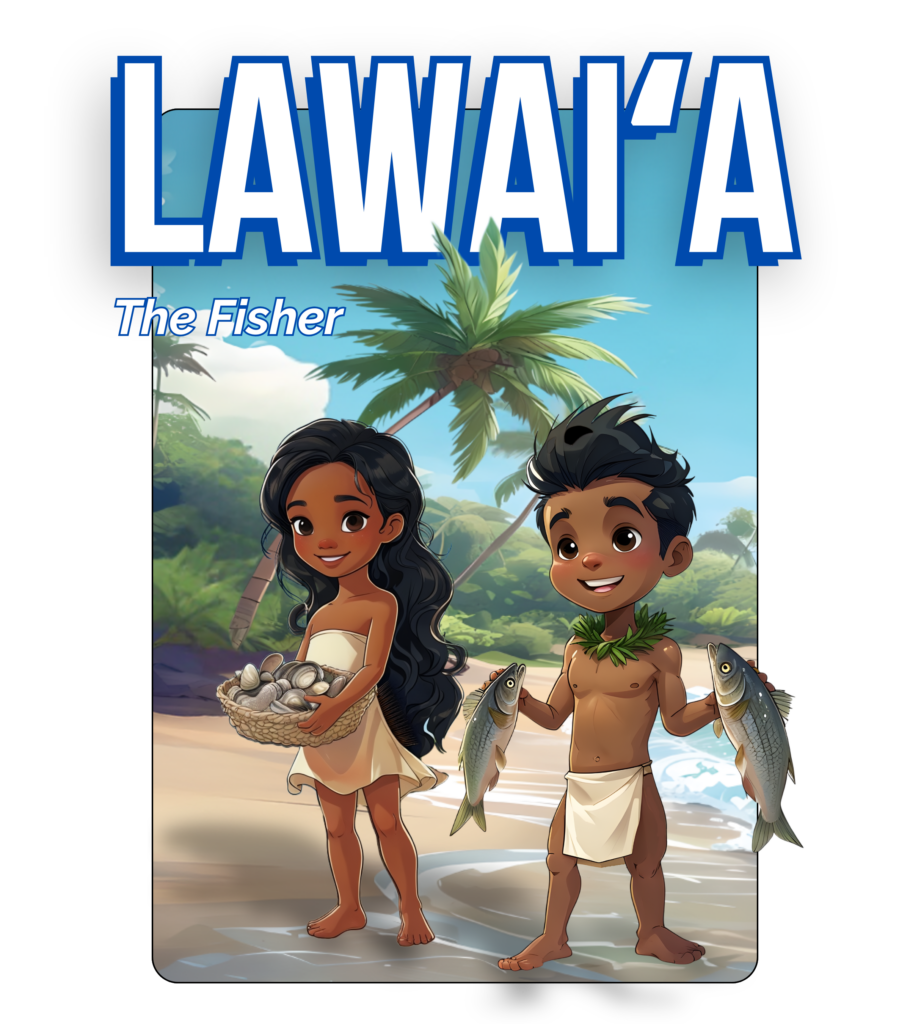
Nā kāne (men) skillfully navigated the ocean to catch fish, using their deep knowledge of tides, seasons, and kapu to manage sustainable harvests.
Nā wāhine (women) gathered shoreline resources like limu (seaweed) and invertebrates. Women often excelled at diving for pearl clams, mussels, and sea urchins, which were considered valuable and nutritious.
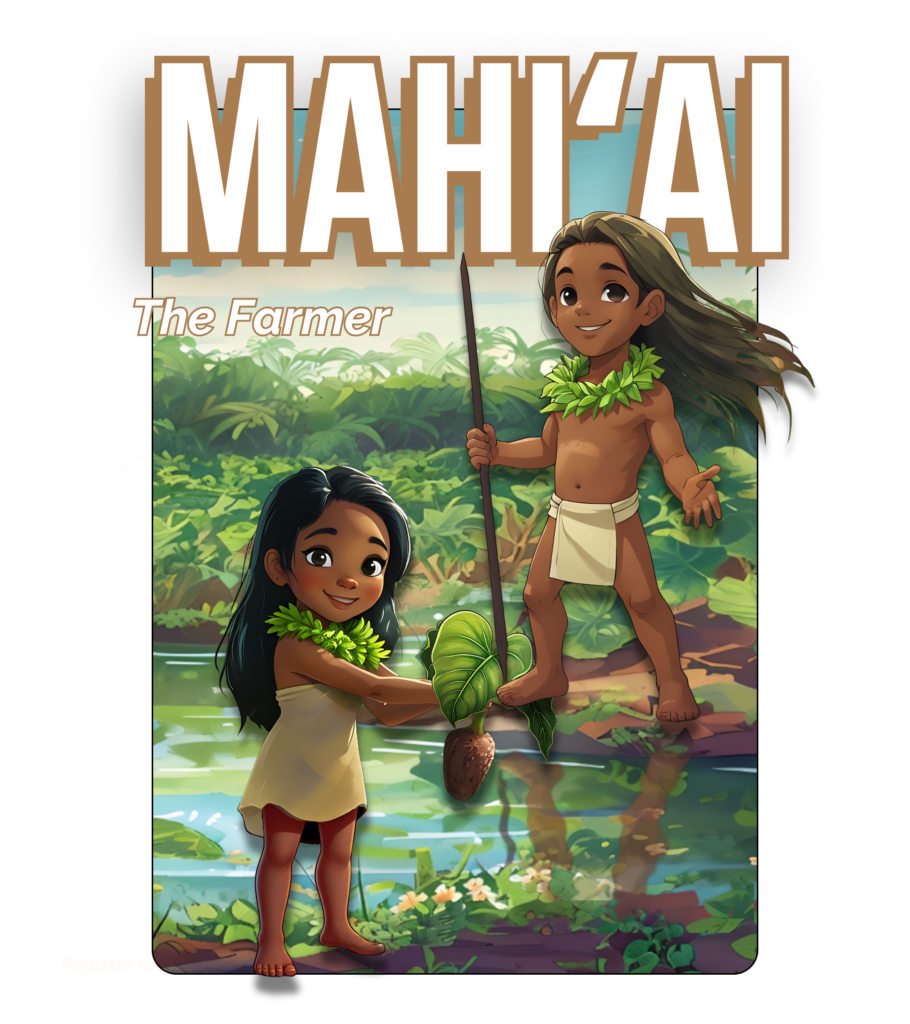
Nā kāne (men) prepared and maintained loʻi (irrigated fields), planting staple crops like kalo and managing ʻauwai (irrigation channels) to nourish the land.
Nā wāhine (women) tended smaller gardens and harvested, processed, and preserved food. Women helped with planting by handing seeds to men and assisted with peeling and cleaning during harvest.
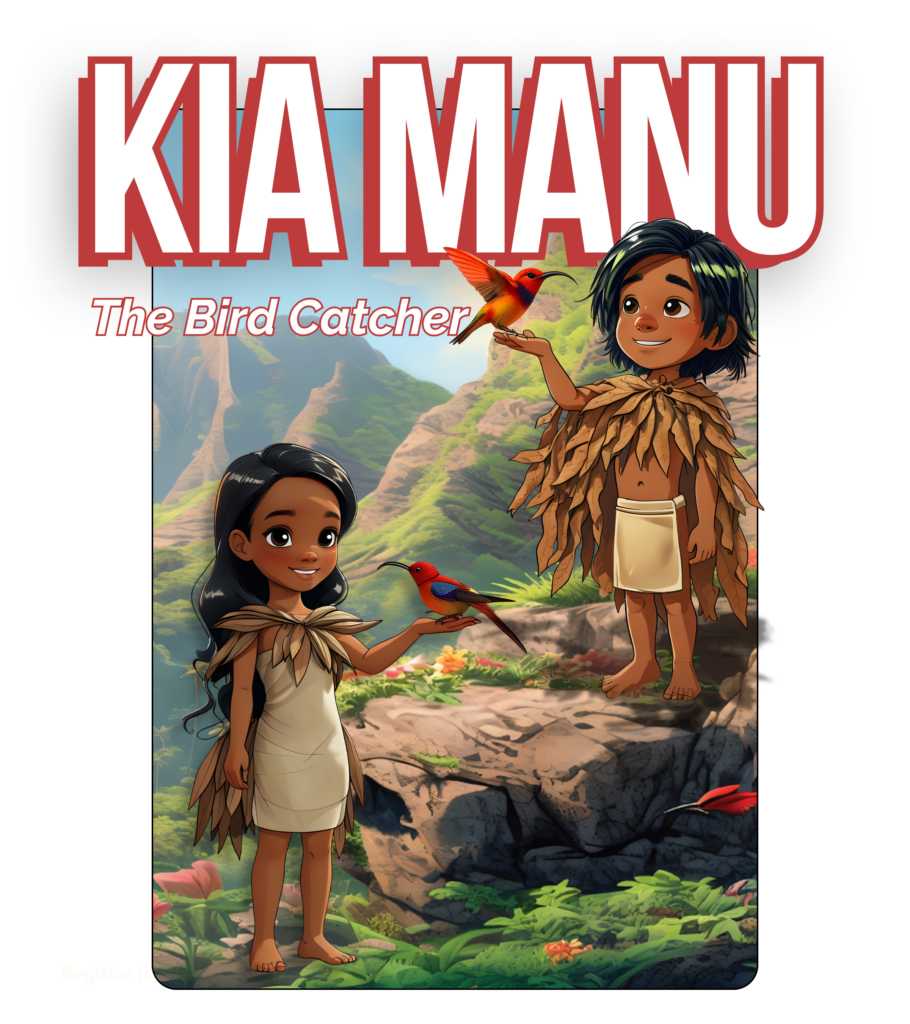
Nā kāne (men) climbed high into the forest to collect feathers for royal adornments, respecting protocols that protected bird populations and sacred spaces. They were known as lawaiʻa manu or kia manu, catching up to thirty birds a day.
Nā wāhine (women) crafted intricate featherwork and cloaks, often accompanying their husbands to pluck, sort, and fasten together feathers. Women in chiefly households made the cloaks and helmets, weaving the bases and attaching the feathers.