Nutrition Tips

Beans and peas are the only food that fit into two groups on the USDA Food Guide Pyramid.Beans are in the Meat & Bean Group because they are a good source of protein and iron. Even better, they provide a low-fat, no saturated fat and no cholesterol source of protein. Beans are also in the Vegetable Group because they are a plant-based food. They aren’t just any vegetable, they are a nutrient-rich powerhouse that provides an excellent source of fiber, and of folate, potassium, iron and antioxidants.Beans may reduce the risk of heart disease and certain cancers; help maintain a healthy intestinal track; helps increase satiety.

Eat With Color
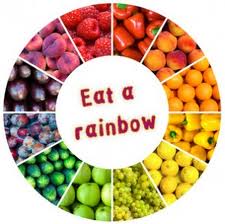
rainbow foods

An easy way to decide how to eat better is to eat right by color with an increased focus on plant based foods. Color your plate with these colors:

Green produce have antioxidants that may promote healthy vision and reduce cancer risks.Orange and deep yellow fruits and vegetables have nutrients that promote healthy vision and immunity and reduce the risk of some cancers.Purple and blue may have antioxidants and anti-aging benefits and may help with memory, urinary tract health and reduced cancer risk.Red produce may help maintain a healthy heart, vision, immunity and may reduce cancer risks.White, tan, and brown foods sometimes contain nutrients that may promote heath and reduce cancer risks


Fiber: Nature’s Secret Non-Nutrient

Fiber is not a nutrient since it doesn’t dissolve in the digestive tract and never enters the bloodstream. But it’s indispensable when trying to eat healthy. There are two types of fiber. Insoluble fiber (the rough stuff in whole wheat bread and broccoli) acts like a sponge by taking up water in the intestines and helps make stools bulky and soft.
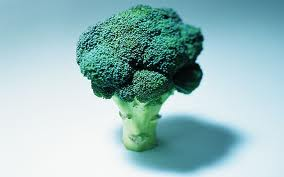
 

brocolli

Then there is soluble fiber (like in the soluble-fiber powerhouse oatmeal, as well as in peas, dried beans , apples, oranges, carrots) that turns into a sticky gel in the intestines. It pulls cholesterol along with it as it moves through the body, preventing cholesterol from entering the bloodstream and clogging arteries.
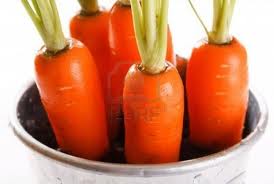
carrot pic

Fiber has another benefit that makes it a valuable disease fighter: it passes slowly from the stomach to the intestines, which is a must if you are trying to control your weight since it makes you feel full


MyPlate

MYPlate6_11

The USDA’s Center for Nutrition Policy and Promotion says the MyPlate Icon is part of a larger communications initiative bases on 2010 Dietary Guidelines for Americans to help consumers make better food choices
MyPlate is designed to remind Americans to eat healthfully; it is not intended to change consumer behavior alone.
Mrs. Obama says” We are going to need everyone’s time and talent to solve the childhood obesity epidemic and our Nation’s chefs have tremendous power as leaders on this issue because of their deep knowledge of food and nutrition and their standing in the community.”
Here at KES and Ulupono we are helping to plant the seeds towards healthy eating by using the “MyPlate” concept for preschool and gradeK-1. In addition we have sent home with each student a colorful card for their parent which outlines ways they may teach their youngsters to:

  1. Make half their plate fruits and vegetables…
  2. Make half their grains whole grains…
  3. Eat a variety of protein foods…
  4. Increase their intake of low-fat or fat-free milk…
  5. Drink water instead of sugary drinks…
  6. Have healthy snacks…

This MyPlate concept is not limited to the younger students. We have included the very colorful banners at the High School, Middle School at Keawe Gym, which fills in as the dining hall during this construction period, and at the Elementary Dining Hall. All there to re-enforce healthy eating habits to help overcome the obesity epidemic.
MyPlate illustrates the five food groups that are the building blocks for a healthy diet uses a familiar image—a place setting for a meal. This concept asks the children before you eat, think about what goes on your plate or in your cup or bowl.
The Food and Nutrition Services Department partnered with the Elementary and Preschool to provide these plates which replace our disposable 5 compartment trays. Each day individual classrooms receive their allotment of plates and they are returned at the end of the meal service to be washed and dried by the Akahi staff. This concept has been embraced by all of the participants, teachers, Educational Assistants and students.

ChooseMyPlate.gov

Did You Know

Healthy eating tip 1: Set yourself up for success

To set yourself up for success, think about planning a healthy diet as a number of small, manageable steps rather than one big drastic change. If you approach the changes gradually and with commitment, you will have a healthy diet sooner than you think.

  • Simplify. Instead of being overly concerned with counting calories or measuring portion sizes, think of your diet in terms of color, variety, and freshness. This way it should be easier to make healthy choices. Focus on finding foods you love and easy recipes that incorporate a few fresh ingredients. Gradually, your diet will become healthier and more delicious.
  • Start slow and make changes to your eating habits over time. Trying to make your diet healthy overnight isn’t realistic or smart. Changing everything at once usually leads to cheating or giving up on your new eating plan. Make small steps, like adding a salad (full of different color vegetables) to your diet once a day or switching from butter to olive oil when cooking.  As your small changes become habit, you can continue to add more healthy choices to your diet.
  • Every change you make to improve your diet matters. You don’t have to be perfect and you don’t have to completely eliminate foods you enjoy to have a healthy diet. The long term goal is to feel good, have more energy, and reduce the risk of cancer and disease. Don’t let your missteps derail you—every healthy food choice you make counts.

Think of water and exercise as food groups in your diet.

Water. Water helps flush our systems of waste products and toxins, yet many people go through life dehydrated—causing tiredness, low energy, and headaches. It’s common to mistake thirst for hunger, so staying well hydrated will also help you make healthier food choices.

Exercise. Find something active that you like to do and add it to your day, just like you would add healthy greens, blueberries, or salmon. The benefits of lifelong exercise are abundant and regular exercise may even motivate you to make healthy food choices a habit.