Grade 2

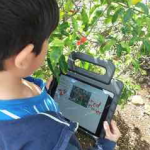
Grade 2 scientists have been investigating insects.  They may bug us but they are the only animal with 6 legs!  We have been keeping and caring for our own beetle larva to see how they change as they grow.  It is pretty easy to observe your own insects in the lab.  This year they took the longest to make it to pupa, now we await the change to the adult darkling beetle. We went outside to our garden at Keanakamano to look for insects and plants in the wild.  What parts of their life cycles could we find?  How do insects and plants help each other survive in a natural habitat?  We found some other animals too like birds, snails, rolly-pollies and our favorite mongoose!

Insects need plants for food and shelter, but do plants need insects?  Could they be partners in nature?  Share an insect you know, what plant could be its partner?

Grade 1

First grade scientists created their own aquarium habitats.  They are very different from the garden we just studied but they still have land, water, air, plants and animals.

We took a closer look at the fish at the Waikiki Aquarium, in our aquariums and in the lab.  Check out the fish specimens from the fish market! They are soooo much bigger than the guppies in our tanks.  We could carefully touch their scales, find their lateral line and even feel their teeth.  Did you know some fish have tongues?  What does a fish eat if it doesn’t have a tongue?  Some fish had spines to protect themselves.  We had a lot of good questions and observations with our adventures.  All of our fish drawings will make our science lab window look like an aquarium!

dscn3785

screen-shot-2016-11-16-at-10-40-14-am

What kind of fish is interesting to you?  Is it on your plate to eat?  Do you know what the animal looks like in its habitat?  Do you like a fish from fresh water or salt water?


Kindergarten

Kindergarten scientists explored a unit with plants and the garden habitat.  Taking a closer look at how fruits and seeds are related offers learning opportunities with the big ideas of structure and function.  They took a closer look at fruits and found seeds inside.  Did you know that scientists don’t classify plants as vegetables?  Cooks and chefs think of vegetables in food.  If a plant part has a seed, to a scientist—it’s a fruit!  Pumpkins, cucumbers and tomatoes are all fruits to a scientist.

dscn3790

Students invented their own fruits with seeds inside using pipecleaners and beads.

dscn3797dscn3793We found a book with an idea that a fruit is like a suitcase for seeds.  Suitcases protect what is inside and like to travel—just like real fruits.

dscn3799What kind of fruit do you like?  What is the seed like inside?